Case Studies & FAQ
The projects up close, and the questions every client asks before getting started.
Each post starts from a real project or a question that comes up every week when quoting new work.
Case Studies
Project, decisions and results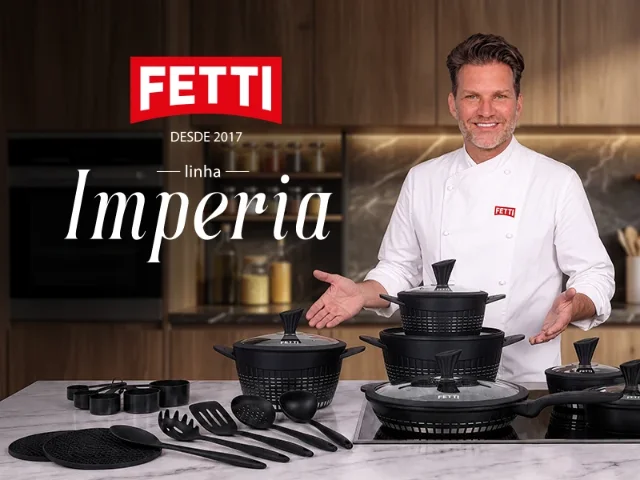
Packaging as a sales argument: repositioning the Fetti kits
5 min read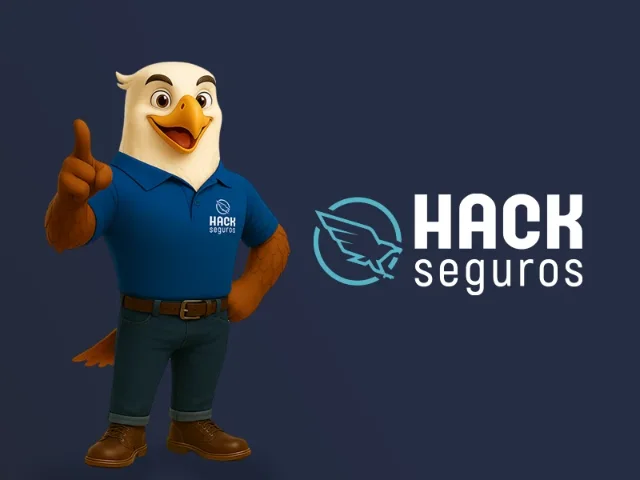
A 3D mascot to reinforce the Hack Seguros brand
4 min read
Basmati rice packaging in Urdu
3 min read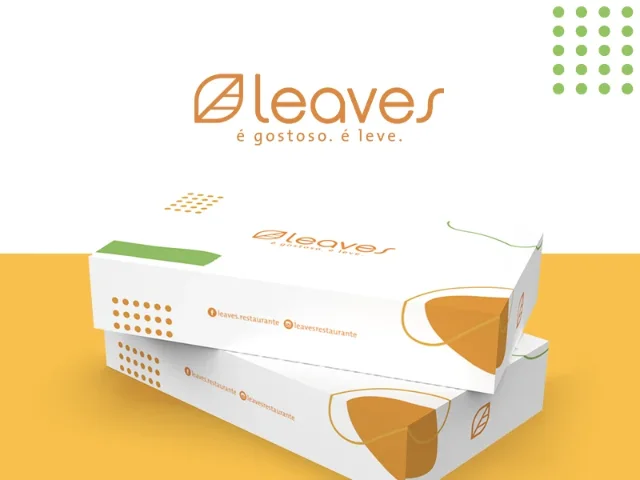
13 years of design for a healthy-eating restaurant chain
4 min read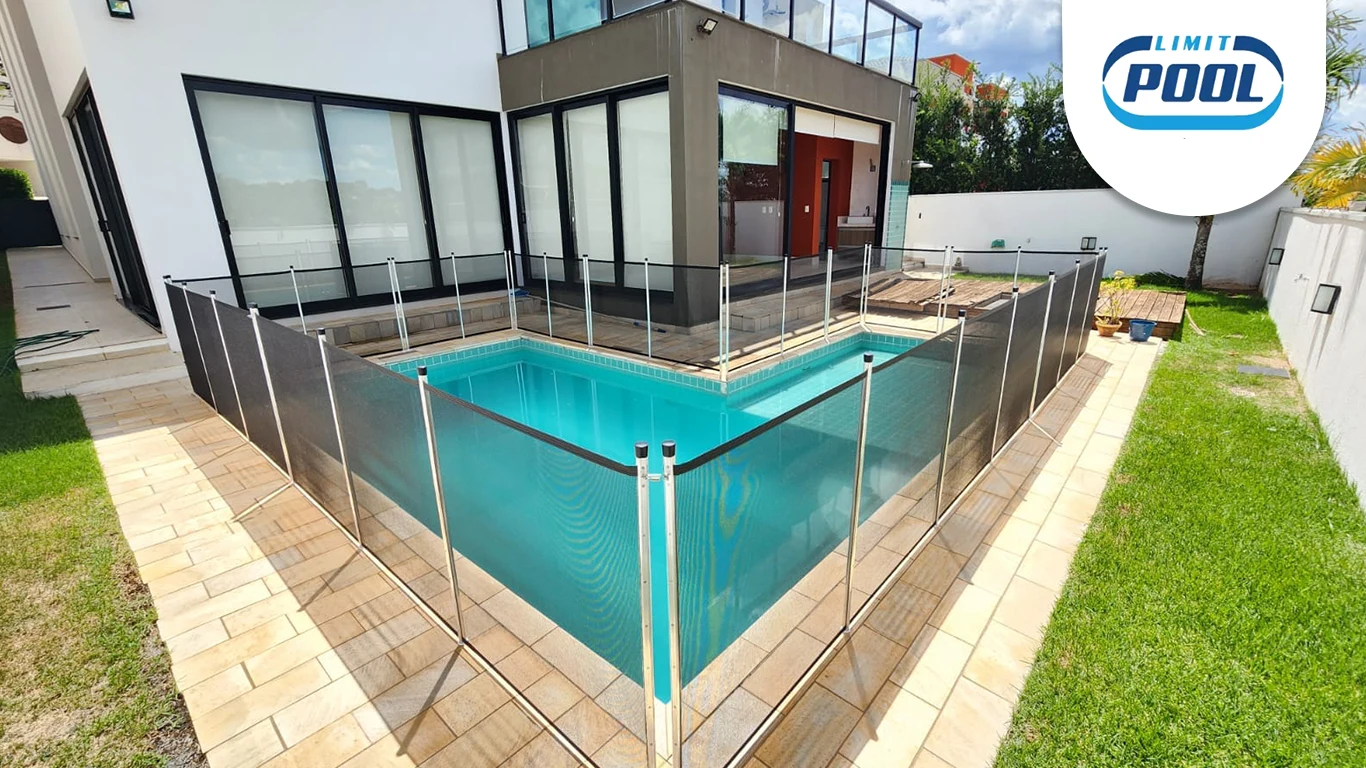
Two websites, two regions: Limitpool's lead operation
4 min read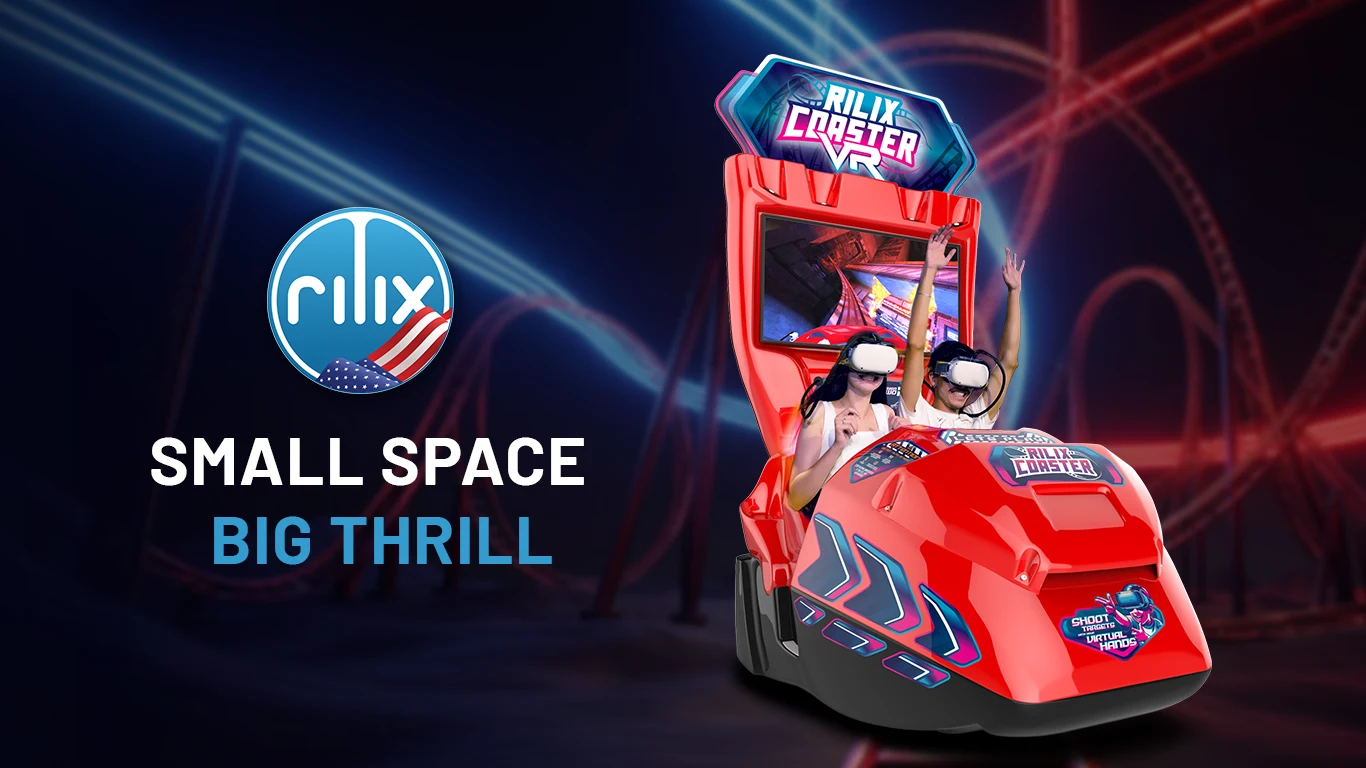
Small Space. Big Thrill.: Rilix's communications for the United States
4 min read
From an AI-generated idea to an applicable brand: the Voxit case study
4 min readAnswers
Questions from people deciding whether to hire usDirect answer up front, details right after. Click to open.
Brand projects at ED Creative Studio start at R$2,500. The final price depends on the project's complexity and the applications you want.
There's no fixed price list because two projects with the same service name can have very different scopes. A brand that only needs a symbol, logotype and color palette costs less than one that extends to packaging, signage, uniforms and fleet vehicles.
What moves the price the most: the number of touchpoints where the brand will appear, how deep the initial research goes, and whether there's existing brand history to build on or everything starts from scratch.
In the quote, these items are broken out separately. You see what each stage costs and can decide what to include now and what to leave for later.
Request a quote →The manual brings together the rules for using the brand: logo versions, clear space, minimum sizes, color palette with codes for each medium, typography, and examples of correct and incorrect use.
The document's purpose is to let other people apply the brand without needing to ask. Print vendors, media agencies, in-house teams: everyone works from the same file.
Along with the manual come the final files organized by type of use — vector files for print, bitmap versions for screen, and positive and negative variations.
Request a quote →Yes. A social media profile is a rented channel: the rules, the reach and how long it stays up all depend on the platform. A website is the only address the company actually controls.
In practice, the difference shows up once you start advertising. An ad that leads to a profile drops the person into an environment full of distractions. An ad that leads to a page built for that specific offer converts better and costs less per result.
A website is also what search engines and AI tools can actually read and cite. Content locked inside a social network doesn't show up in those answers.
This doesn't replace the profile. The two work together: social media generates interest, the website receives it and closes the deal.
Request a quote →It is, and it's the item with the best effort-to-return ratio for any business serving a specific area. The profile appears in search and on the map at no media cost.
For many local businesses, the Google profile gets more visits than the website itself. It's where people check the address, hours, photos and reviews before deciding.
What makes the difference: complete information, the right category, real and up-to-date photos, and a routine for responding to reviews. An incomplete or neglected profile shows up less.
In our Digital Presence service, creating or claiming the profile goes hand in hand with the website — the two need to say the same thing.
Request a quote →It's the preparation of the company's entire digital groundwork before investing in ads: an opportunity diagnosis, a corporate website, a Google Business Profile, and standardized social media profiles.
The work starts with a diagnosis: where the company is already being searched for, where it can't be found, what competitors occupy, and what's missing for it to show up. Only after that do we decide which channels are worth the effort.
Execution produces four deliverables. The corporate website, which is the company's own address. The Google Business Profile, complete with categories, photos and guidance on reviews. The social media profiles, set up on the channels that make sense for the business. And the visual standardization of all of them — avatars, covers, descriptions and templates following the brand identity.
The order matters: advertising doesn't create trust, it accelerates what already exists. With the groundwork ready and tracking configured, paid media starts delivering results right away instead of paying for visits that go nowhere.
With all the necessary information available at the start, the package is ready within 20 days.
Once the digital groundwork is ready: website published, Google profile complete, social media standardized, and tracking configured. For an initial monthly plan, budget around R$1,800, including ad spend on Meta and Google plus management.
Advertising doesn't create trust, it accelerates what already exists. When someone clicks and lands on an incomplete site or an empty profile, the budget pays for the visit and loses the sale.
Tracking needs to be in place before the first dollar is spent. Without a pixel and conversions set up, the first months of a campaign generate no learning — only cost.
Timeline matters as much as budget. A campaign needs time to get past the learning phase, so plan on at least three months of continuous running before judging the results.
Request a quote →No. AI expands the number of directions we can test in each project, but the choices are still design decisions.
What the tool speeds up: generating variations, exploring references, producing test versions of a piece. Volume tasks, where having more options in less time is a real advantage.
What it doesn't do: understand the client's business, decide which direction solves the problem, defend that decision, and stand behind the result. That depends on experience — in our case, more than twenty years of projects.
AI shows up as added depth, not as a shortcut — more routes tested before the final choice.
Request a quote →